Energy Drinks vs Pre-Workout: What's the Difference? Pre-workout and energy drinks look like cousins, but they were built for different jobs. Here's what's actually in each, when each makes sense, and how to pick the smarter option...
What Is Sucralose? The Hidden Sweetener in Energy Drinks Pick up almost any "better-for-you" energy drink, flip the can around, and you'll spot it sitting somewhere between the natural flavors and the citric acid: sucralose. It's the quiet ingredient...
Pre-Workout Energy Without the Jitters: A Natural Guide Pre-workout doesn't have to mean shaking. The science behind clean pre-workout fuel: caffeine that respects your nervous system, L-theanine that smooths the spike, and what to look for on the...
Morning Routines for Sustained Energy: A Practical Guide Most morning routine advice falls into one of two camps. Either it's a 17-step ritual that requires you to wake up at 4:30 a.m. and journal in three different notebooks,...
Energy Drinks vs Coffee: Which Is Actually Better? It's the oldest debate in the caffeine world. Coffee or energy drink? One has tradition, ritual, and a few thousand years of cultural credibility. The other has cans, branding, and...
Are Preservatives in Energy Drinks Bad for You? If you've ever flipped over a can of your favorite energy drink and scanned the ingredient list, you've probably noticed a few words that don't exactly roll off the tongue....
Low Sugar Energy Drinks: What "Less Sugar" Actually Means You've probably noticed the trend by now. Walk down any energy drink aisle and you'll see it everywhere: "low sugar," "zero sugar," "only 10 calories." It sounds like progress. But...
Afternoon Energy Slump? 7 Ways to Power Through Naturally It's 2:30 PM, your eyelids are heavy, and your brain feels like it's wading through fog. Sound familiar? The afternoon energy slump is one of the most universal experiences of...
How to Read an Energy Drink Label (And What to Watch For) You're standing in the beverage aisle, staring at a wall of cans. Every single one says something like "clean energy," "natural," or "better-for-you." The designs are bright, the claims are...
Natural Energy Drinks: What They Are and Why Huxley Leads the Way What Does "Natural Energy Drink" Actually Mean? The term "natural" gets thrown around a lot in the energy drink world, but most brands using it do not back it up....
Clean Energy Drinks: What "Clean" Really Means and How to Choose What Does "Clean Energy Drink" Actually Mean? The word "clean" has become one of the most overused terms in the energy drink industry. Brands use it to signal health, transparency,...
Energy Drinks With Electrolytes: Why Hydration Matters as Much as Caffeine Why Your Energy Drink Should Include Electrolytes Caffeine gives you a boost, but it is also a mild diuretic, meaning it can contribute to fluid loss. If you are reaching...
Energy Drinks Without Sucralose: Why It Matters and What to Drink Instead If Your Energy Drink Has Sucralose, Is It Really Better for You? Walk down the energy drink aisle and you will see a wave of brands calling themselves "better for...
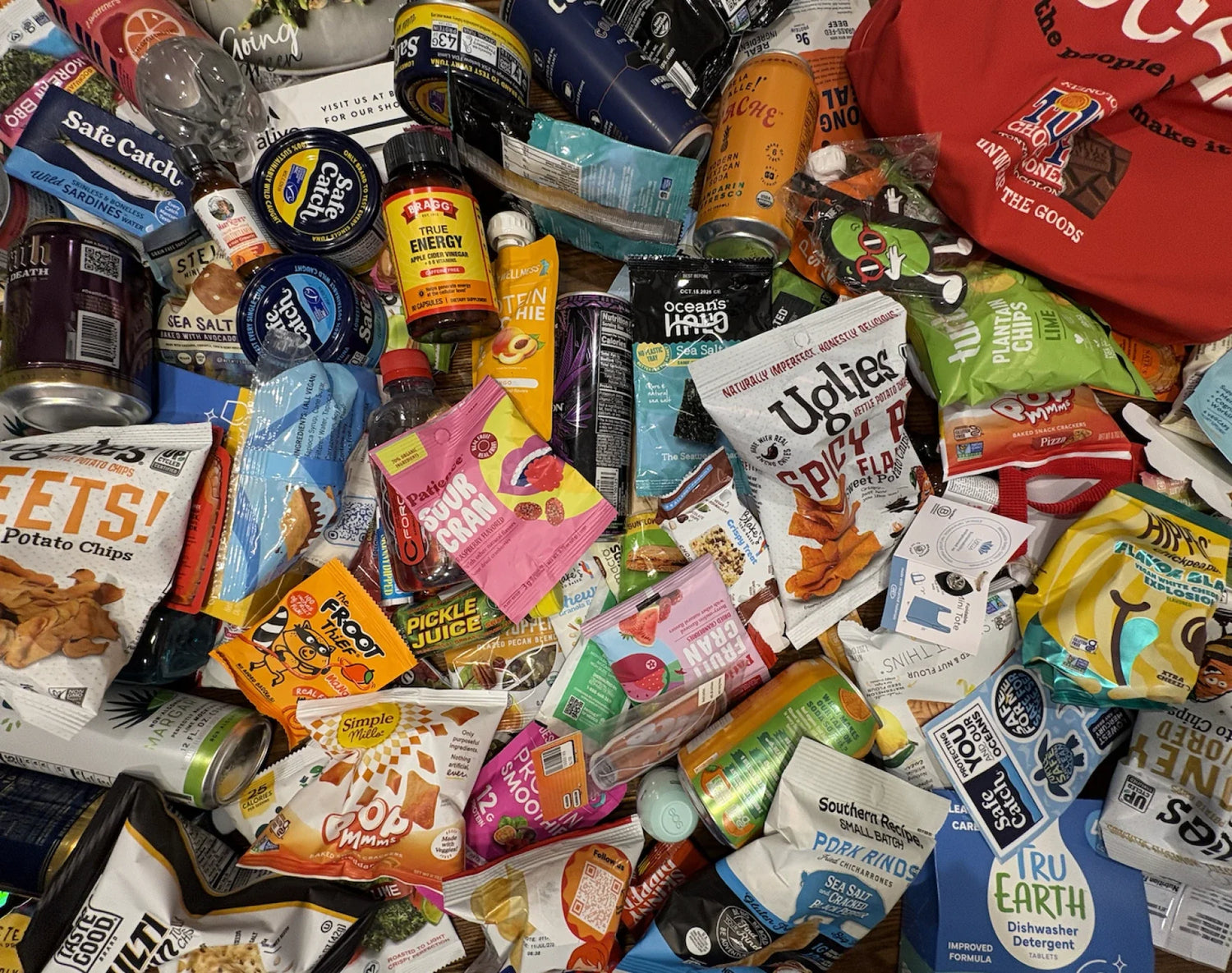
Huxley featured on LAist Vegan steak, food upcycling and mushroom microbes: what we learned at the Super Bowl of healthy snacking By Josh Heller Published March 7 2025 "If you want to know what...
Huxley vs. Celsius: Which Energy Drink is Right for You? Celsius is one of the fastest-growing energy drink brands, known for its fitness-focused marketing and unique ingredient blend. But as the energy drink landscape evolves, Huxley offers a natural alternative...
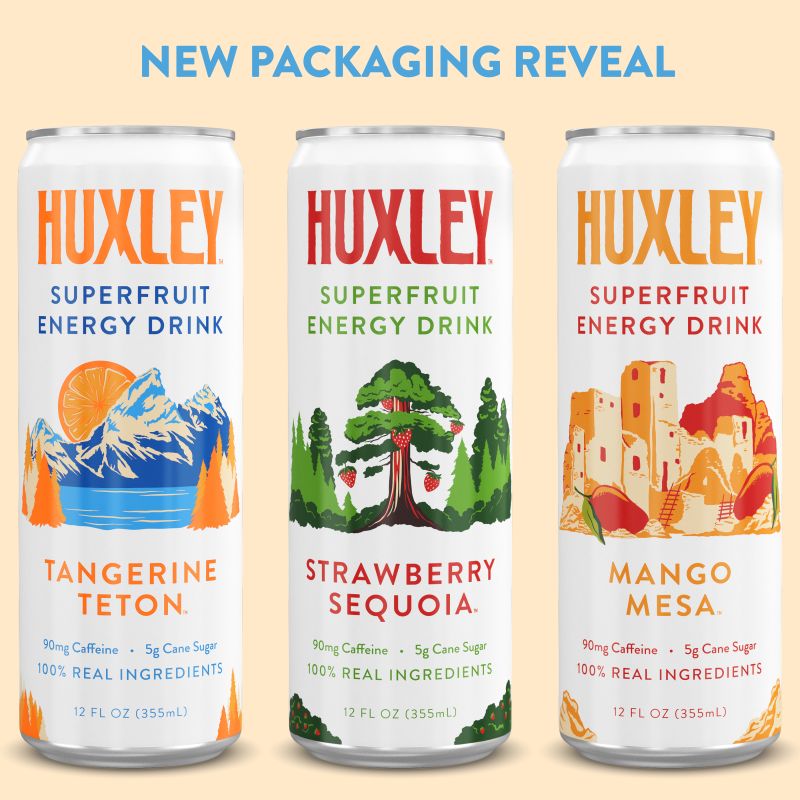
Why We Switched to Full-Printed Cans Big news, Huxley fans—we’ve made the switch to full-printed cans! As we continue to grow, we’re always looking for ways to improve our product, our brand, and our commitment to...
How Does Huxley Compare to Red Bull? A Side-by-Side Look When it comes to energy drinks, Red Bull is one of the most well-known names in the industry. It’s been around for decades and has built a reputation for...
Let's Talk About The Red Dye No.3 Ban In a significant move toward consumer safety, the FDA has officially banned Red Dye No. 3 (also known as erythrosine) in food and ingested drugs. The ban, which goes into...